Daily Divine Word: Third Sunday of Lent
Sunday, 8 March ’26 – Woman at the Well – She deserves a genuine Understanding
Exodus 17:3–7. Romans 5:1–2, 5–8. John 4:5–42
All of us know, what it feels like to be thirsty – not just for water, but for hope, understanding and direction. Today’s reading speak to our deepest thirsts. Lent invites us to allow God to work in our brokenness.
Desert a place of testing: The first reading narrates the Israelite’s journey through the desert after their liberation from the bondage in Egypt. They had already experienced the power of God through miracles and crossing of the red sea. At the middle of the desert, they face water crisis. The desert becomes a place of testing. The desert does not only test the physical strength but also the strength of the faith in God. We quickly judge that the Israelites were constantly complaining and grumbling against God. They accuse God saying, ‘have you brought us here to destroy?’ Is the Lord among us? However, we too behave like the Israelites. There are moments in our lives, when we have complained against God, questioned Him and doubted His presence. God does not punish the Israelites but blesses with abundance of water. Like the Israelites we often forget the past magnanimity of God. When life becomes tough, prayers appear unanswered, suffering overwhelms, our trust weakens. The wilderness event reiterates that our God meet us in our doubt and frustration.
Life includes Suffering: In the second reading Paul is writing to the Christian believers who were facing struggles, persecution and suffering. He encourages them to understand that faith in Christ has made them children of God. Paul acknowledges that life includes suffering. But suffering is not end of everything. God’s love has been poured into our hearts through the Holy Spirit. The Lord pours, does not measure, gives in abundance.
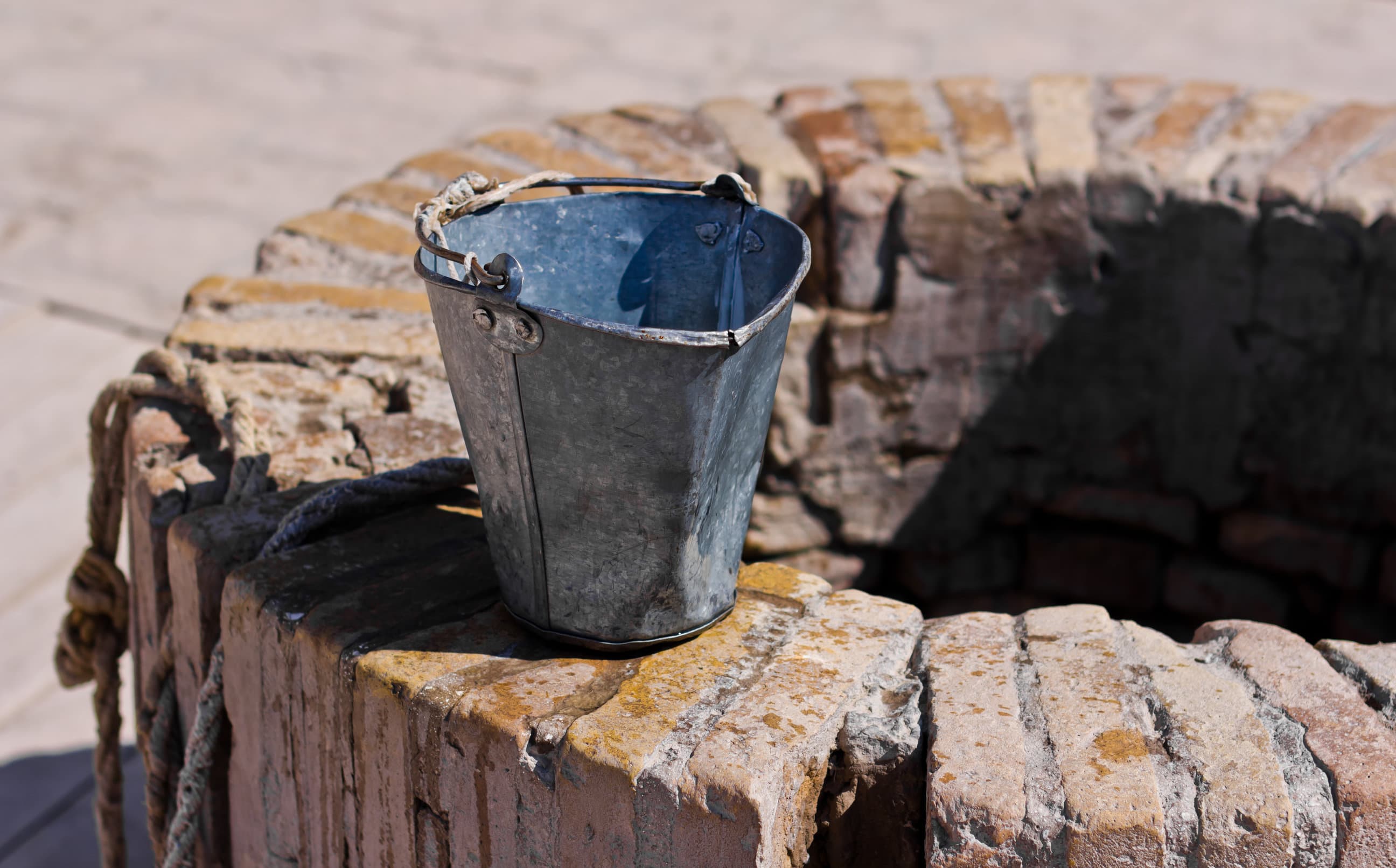
Boundaries Shattered - Jesus and the Samaritan Woman: This is a memorable encounter. The story of the nameless Samaritan woman is recorded only in the Gospel of John. It was noon, a hot day. Jesus was weary and thirsty. Tired and exhausted he sat by Jacob’s well. The Samaritan woman comes there with a jar and Jesus makes a request, could you give me a drink? Now, the Jews were not supposed to speak to Samaritans and men were not permitted to talk to women in public places and further, it is unexpected of the Rabbis to converse with socially marginalized women. Jesus was willing to toss out the rules, break the barriers. Jesus was consciously crossing the boundaries between the Jews and Samaritans, between man and woman. The woman focused on law and Jesus focused on grace.
She deserves a genuine understanding: She does not deserve our criticism but a genuine understanding. If the woman was leading an immoral life, the men were also equally responsible and why not talk about that; Is it not possible that she had been married so many times because of economic and social reasons rather than lustful ones? In the first century Mediterranean world, could she survive by working for wages? In a society that granted no legal standing to women apart from their relationship to a man – father, husband, brother or son. Therefore, she is a marginalized person, subject to economic, social and legal exploitation. Here status is akin to that of a slave, probably therefore, she is not even given a name in this episode, No name, no value, no identity. But she made a difference.
The Lord meets us where we are: Jesus encounters the Samaritan woman at the well, in fact, Jesus was waiting for her. The Lord meets the woman in her brokenness, in her poverty, in her social discrimination and exploitation. The story teaches that God loves us in spite of our bankrupt lives. She leaves her jug behind and runs to proclaim, in her newness she forgets her past misery. When everyone rejected her, Jesus embraced her as she was. She was in spiritual thirst and emotional exhaustion. Jesus encountered her in her shame, in her brokenness, broken relationships, and in her loneliness. This story teaches something very profound – ‘past deeds or sufferings do not disqualify from God’s embrace. We meet grace in our wounded state; we are made whole right in our brokenness. The gospel invites us to come to Jesus, the well of life, not hiding our real self, not pretending vigour, not hiding wounds, not denying brokenness but even limping if needed.
The Woman made a difference: She is an extraordinary woman. The crux of the story is; will I allow God to use me as I am – with all the experiences, failures, success, flaws and all mess? Jesus meets the woman in her brokenness, he sees not what she is but what she is capable of becoming. The woman’s perspective changes, she begins a new life. She became a witness and an evangelist. She did make a difference, a great difference indeed and the entire city believed in Jesus through her. She becomes an instrument of living water to all.
Our Takeaway
1. Like the Israelites we often forget the past magnanimity of God. When life becomes tough, prayers appear unanswered, suffering overwhelms, our trust weakens. The wilderness event reiterates that our God meet us in our doubt and frustration.
2. She does not deserve our criticism but a genuine understanding. If the woman was leading an immoral life, the men were also equally responsible and why not talk about that.
3. Jesus was consciously crossing the boundaries between the Jews and Samaritans, between man and woman. The woman focused on law and Jesus focused on grace.
4. The Lord meets as where we are. Jesus invites us to the well of life, not hiding our real self, not pretending vigour, not hiding wounds, not denying brokenness but even limping if needed.
5. Will I allow God to use me as I am – with all the experiences, failures, success, flaws and all mess?
Wilson SVD
Comments (1)
Cyril Cutinho
cyrilcutinho005@gmail.com
Mar 7, 2026, 09:40 AM
Wonderful 👍 reflection. Heartfelt thoughts conveyed.